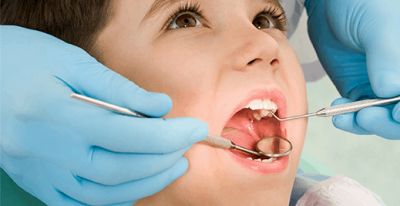
Dental Treatment for Children with Special Needs: A Guide for Parents
Every child deserves access to safe, comfortable, and compassionate dental care.
For parents of children with special healthcare needs, finding the right dental environment can sometimes feel challenging. Concerns about anxiety, communication difficulties, sensory sensitivities, medical conditions, or cooperation during treatment may make routine dental visits stressful for both children and parents.
Fortunately, modern pediatric dentistry offers many approaches that help children with special needs receive the dental care they deserve while maintaining their comfort, dignity, and safety.
Who Are Children with Special Healthcare Needs?
The term "special healthcare needs" includes a wide range of developmental, behavioral, physical, neurological, and medical conditions.
These may include:
- Autism Spectrum Disorder (ASD)
- Attention Deficit Hyperactivity Disorder (ADHD)
- Cerebral Palsy
- Down Syndrome
- Intellectual disabilities
- Sensory processing disorders
- Genetic syndromes
- Neuromuscular disorders
- Children with complex medical conditions
Every child is unique, and dental care should always be individualized to meet their specific needs.
Why Dental Care May Be More Challenging
Many children with special needs face barriers that can make routine dental care difficult.
Some children may have sensory sensitivities that make bright lights, sounds, tastes, or touch uncomfortable.
Others may have communication difficulties that make it harder to express fear, discomfort, or pain.
Children with certain physical or neurological conditions may find it challenging to remain in one position for extended periods.
Some children may become anxious simply because they are entering an unfamiliar environment.
Understanding these challenges allows the dental team to adapt treatment accordingly.
The Importance of Preventive Care
Preventive dental care is especially important for children with special healthcare needs.
Regular check-ups can help identify problems early, often before they become painful or require more extensive treatment.
Preventive care may include:
- Dental examinations
- Professional cleaning
- Fluoride applications
- Dental sealants
- Oral hygiene education for caregivers
- Dietary guidance
Early intervention is often the simplest and least stressful approach.
Dental Care for Children with Autism
Children with autism may experience sensory sensitivities, communication differences, and anxiety related to unfamiliar situations.
Successful dental visits often involve:
- Gradual familiarization with the dental environment
- Visual supports and social stories
- Consistent communication
- Reduced sensory stimulation when possible
- Individualized behavior guidance
Many children with autism can receive routine dental treatment successfully when the dental team understands their specific needs.
Dental Care for Children with ADHD
Children with ADHD may have difficulty remaining seated, focusing on instructions, or tolerating lengthy procedures.
Helpful approaches may include:
- Shorter appointments
- Clear and simple instructions
- Positive reinforcement
- Scheduled breaks when needed
- Morning appointments when appropriate
A structured and supportive environment often improves cooperation significantly.
Dental Care for Children with Cerebral Palsy
Children with cerebral palsy may experience challenges related to muscle control, positioning, swallowing, or oral hygiene.
Dental visits may require:
- Additional support for positioning
- Longer appointment times
- Customized preventive strategies
- Caregiver education
The goal is to ensure comfort while maintaining excellent oral health.
Managing Dental Anxiety
Dental anxiety is common among children with and without special healthcare needs.
Fear may develop because of:
- Previous healthcare experiences
- Difficulty understanding procedures
- Sensory sensitivities
- Communication challenges
A calm and patient approach can often help reduce anxiety and improve cooperation.
Behavior Guidance Techniques
Modern pediatric dentistry emphasizes positive behavior guidance.
Common approaches include:
- Tell-Show-Do
- Positive reinforcement
- Visual communication
- Desensitization techniques
- Gradual exposure to treatment
These methods help many children become comfortable with dental care over time.
When Sedation May Be Considered
Some children require additional support to complete necessary dental treatment safely and comfortably.
Depending on the child's individual needs, sedation options may be considered.
Nitrous oxide sedation, commonly known as laughing gas, may help some children feel more relaxed during treatment while remaining awake and responsive.
The decision to use sedation depends on:
- The child's medical history
- Developmental considerations
- Level of anxiety
- Type of treatment required
- Overall safety considerations
Each child should be evaluated individually before any sedation option is considered.
Supporting Parents and Caregivers
Parents and caregivers play an essential role in successful dental care.
Sharing information about:
- Communication preferences
- Sensory triggers
- Medical history
- Behavioral strategies that work at home
- Previous healthcare experiences
can help the dental team create a more comfortable experience for the child.
Choosing the Right Dental Clinic
When selecting a dental clinic for a child with special needs, parents may wish to consider:
- Experience with children who have special healthcare needs
- Availability of behavior guidance techniques
- Access to sedation options when appropriate
- Child-friendly facilities
- A compassionate and patient-centered approach
A supportive dental environment can make a significant difference in a child's long-term oral health journey.
Frequently Asked Questions
Can children with special needs receive routine dental treatment?
Yes. Most children with special healthcare needs can successfully receive routine dental care when treatment is adapted to their individual requirements.
Are dental visits always difficult for children with special needs?
No. Many children become comfortable with regular dental visits when care is provided in a supportive and understanding environment.
Is sedation required for all children with special needs?
No. Sedation is not necessary for every child. The need for sedation depends on the child's specific circumstances and treatment requirements.
How can I prepare my child for a dental visit?
Preparing your child with positive communication, visual aids, familiar routines, and advance discussion with the dental team can often improve the experience.
Final Thoughts
Children with special healthcare needs deserve dental care that is compassionate, individualized, and respectful of their unique circumstances.
With proper planning, behavior guidance, preventive care, and when appropriate, advanced treatment options, most children can achieve and maintain excellent oral health.
At The Smile Surgeon Clinic, we believe that every child deserves a positive dental experience. Our team is committed to providing family-centered care that supports children of all abilities while helping parents feel informed, confident, and supported throughout the process.Dental Treatment for Children with Special Needs: A Guide for Parents
Every child deserves access to safe, comfortable, and compassionate dental care.
For parents of children with special healthcare needs, finding the right dental environment can sometimes feel challenging. Concerns about anxiety, communication difficulties, sensory sensitivities, medical conditions, or cooperation during treatment may make routine dental visits stressful for both children and parents.
Fortunately, modern pediatric dentistry offers many approaches that help children with special needs receive the dental care they deserve while maintaining their comfort, dignity, and safety.
Who Are Children with Special Healthcare Needs?
The term "special healthcare needs" includes a wide range of developmental, behavioral, physical, neurological, and medical conditions.
These may include:
- Autism Spectrum Disorder (ASD)
- Attention Deficit Hyperactivity Disorder (ADHD)
- Cerebral Palsy
- Down Syndrome
- Intellectual disabilities
- Sensory processing disorders
- Genetic syndromes
- Neuromuscular disorders
- Children with complex medical conditions
Every child is unique, and dental care should always be individualized to meet their specific needs.
Why Dental Care May Be More Challenging
Many children with special needs face barriers that can make routine dental care difficult.
Some children may have sensory sensitivities that make bright lights, sounds, tastes, or touch uncomfortable.
Others may have communication difficulties that make it harder to express fear, discomfort, or pain.
Children with certain physical or neurological conditions may find it challenging to remain in one position for extended periods.
Some children may become anxious simply because they are entering an unfamiliar environment.
Understanding these challenges allows the dental team to adapt treatment accordingly.
The Importance of Preventive Care
Preventive dental care is especially important for children with special healthcare needs.
Regular check-ups can help identify problems early, often before they become painful or require more extensive treatment.
Preventive care may include:
- Dental examinations
- Professional cleaning
- Fluoride applications
- Dental sealants
- Oral hygiene education for caregivers
- Dietary guidance
Early intervention is often the simplest and least stressful approach.
Dental Care for Children with Autism
Children with autism may experience sensory sensitivities, communication differences, and anxiety related to unfamiliar situations.
Successful dental visits often involve:
- Gradual familiarization with the dental environment
- Visual supports and social stories
- Consistent communication
- Reduced sensory stimulation when possible
- Individualized behavior guidance
Many children with autism can receive routine dental treatment successfully when the dental team understands their specific needs.
Dental Care for Children with ADHD
Children with ADHD may have difficulty remaining seated, focusing on instructions, or tolerating lengthy procedures.
Helpful approaches may include:
- Shorter appointments
- Clear and simple instructions
- Positive reinforcement
- Scheduled breaks when needed
- Morning appointments when appropriate
A structured and supportive environment often improves cooperation significantly.
Dental Care for Children with Cerebral Palsy
Children with cerebral palsy may experience challenges related to muscle control, positioning, swallowing, or oral hygiene.
Dental visits may require:
- Additional support for positioning
- Longer appointment times
- Customized preventive strategies
- Caregiver education
The goal is to ensure comfort while maintaining excellent oral health.
Managing Dental Anxiety
Dental anxiety is common among children with and without special healthcare needs.
Fear may develop because of:
- Previous healthcare experiences
- Difficulty understanding procedures
- Sensory sensitivities
- Communication challenges
A calm and patient approach can often help reduce anxiety and improve cooperation.
Behavior Guidance Techniques
Modern pediatric dentistry emphasizes positive behavior guidance.
Common approaches include:
- Tell-Show-Do
- Positive reinforcement
- Visual communication
- Desensitization techniques
- Gradual exposure to treatment
These methods help many children become comfortable with dental care over time.
When Sedation May Be Considered
Some children require additional support to complete necessary dental treatment safely and comfortably.
Depending on the child's individual needs, sedation options may be considered.
Nitrous oxide sedation, commonly known as laughing gas, may help some children feel more relaxed during treatment while remaining awake and responsive.
The decision to use sedation depends on:
- The child's medical history
- Developmental considerations
- Level of anxiety
- Type of treatment required
- Overall safety considerations
Each child should be evaluated individually before any sedation option is considered.
Supporting Parents and Caregivers
Parents and caregivers play an essential role in successful dental care.
Sharing information about:
- Communication preferences
- Sensory triggers
- Medical history
- Behavioral strategies that work at home
- Previous healthcare experiences
can help the dental team create a more comfortable experience for the child.
Choosing the Right Dental Clinic
When selecting a dental clinic for a child with special needs, parents may wish to consider:
- Experience with children who have special healthcare needs
- Availability of behavior guidance techniques
- Access to sedation options when appropriate
- Child-friendly facilities
- A compassionate and patient-centered approach
A supportive dental environment can make a significant difference in a child's long-term oral health journey.
Frequently Asked Questions
Can children with special needs receive routine dental treatment?
Yes. Most children with special healthcare needs can successfully receive routine dental care when treatment is adapted to their individual requirements.
Are dental visits always difficult for children with special needs?
No. Many children become comfortable with regular dental visits when care is provided in a supportive and understanding environment.
Is sedation required for all children with special needs?
No. Sedation is not necessary for every child. The need for sedation depends on the child's specific circumstances and treatment requirements.
How can I prepare my child for a dental visit?
Preparing your child with positive communication, visual aids, familiar routines, and advance discussion with the dental team can often improve the experience.
Final Thoughts
Children with special healthcare needs deserve dental care that is compassionate, individualized, and respectful of their unique circumstances.
With proper planning, behavior guidance, preventive care, and when appropriate, advanced treatment options, most children can achieve and maintain excellent oral health.
At The Smile Surgeon Clinic, we believe that every child deserves a positive dental experience. Our team is committed to providing family-centered care that supports children of all abilities while helping parents feel informed, confident, and supported throughout the process.